What We Do
Helping schools feed children today and build food security for tomorrow
Feeding Futures works with school communities in Kenya to create self-sustaining school meals programmes. Our approach combines immediate support with long-term partnership. We help schools provide nutritious meals for children, while equipping parents and communities with the infrastructure, farming skills, systems and confidence to continue feeding children for themselves. We do not believe in creating dependency where independence is possible. Our work is practical, community-led and built for lasting change.
Our Model
Our projects begin with partnership and an exit strategy.
Sustainability only works when everyone is prepared to be actively involved, so when school communities apply to work with us, we look carefully at whether they are willing and able to take part. We go where we are needed, but also where we can genuinely help.
Once a community is selected, we begin building the foundations for a sustainable school meals programme: infrastructure, school meals, farming support, practical training and clear systems for long-term community ownership.
1
Partner
A school community applies and commits to shared responsibility.
2
Build
Rainwater harvesting, a kitchen and food storage are built.
3
Feed
Children receive nutritious school meals while long-term change begins.
4
Equip
Parents learn conservation agriculture, farming and business skills.
5
Sustain
The school and parents take full ownership of the meals programme.
The journey to sustainable school meals
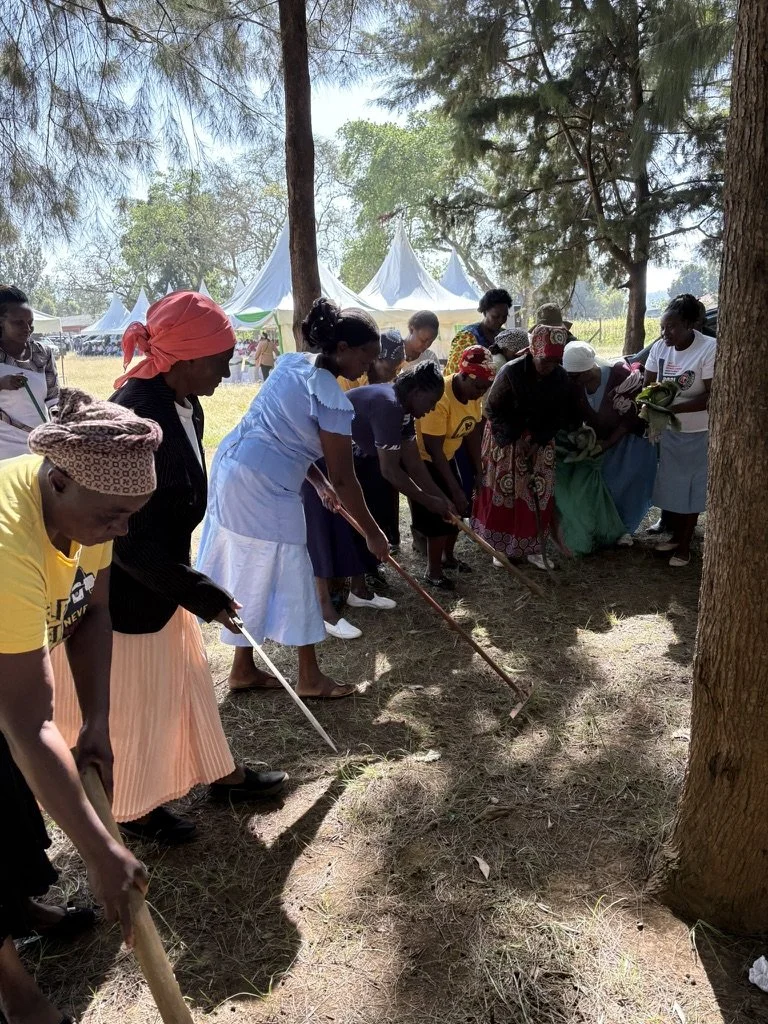
The goal is not for Feeding Futures to stay forever. The goal is for each school community to have the skills, systems and confidence to continue feeding children for themselves.
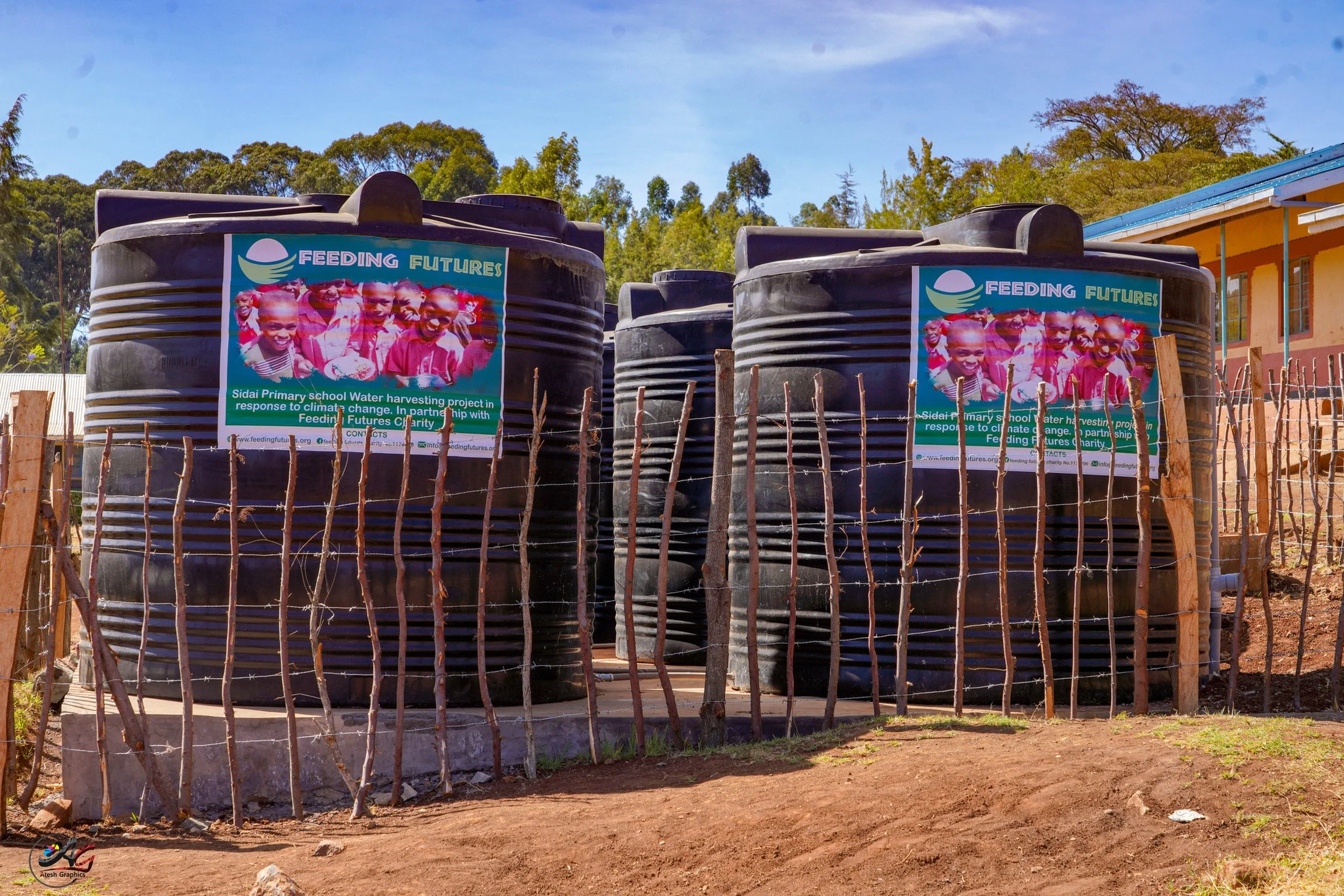
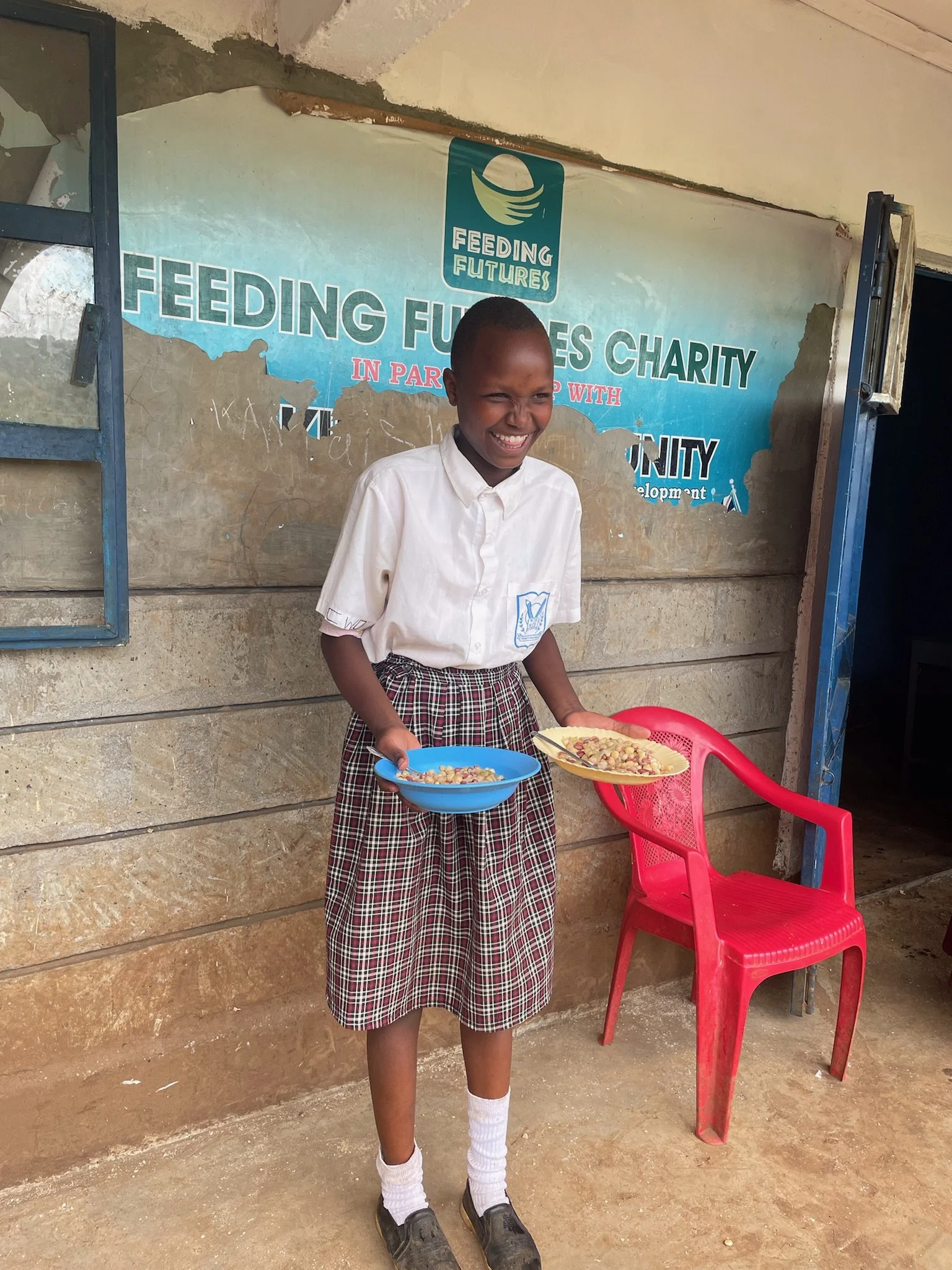
Once a school partnership begins, we build the infrastructure the school needs, including rainwater harvesting, a kitchen and a food store. We also begin feeding the children at school, giving parents the space to focus on change rather than crisis.
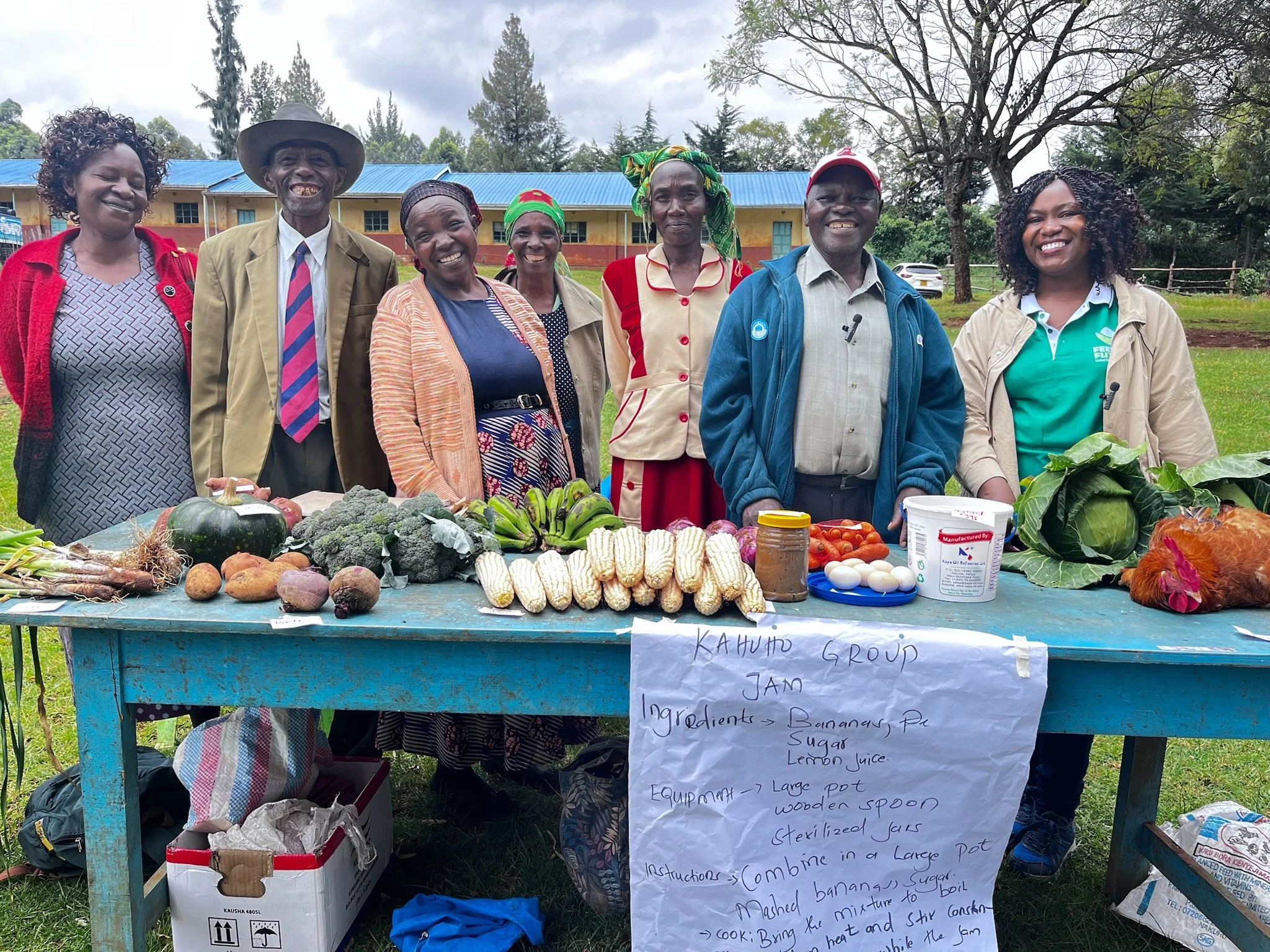
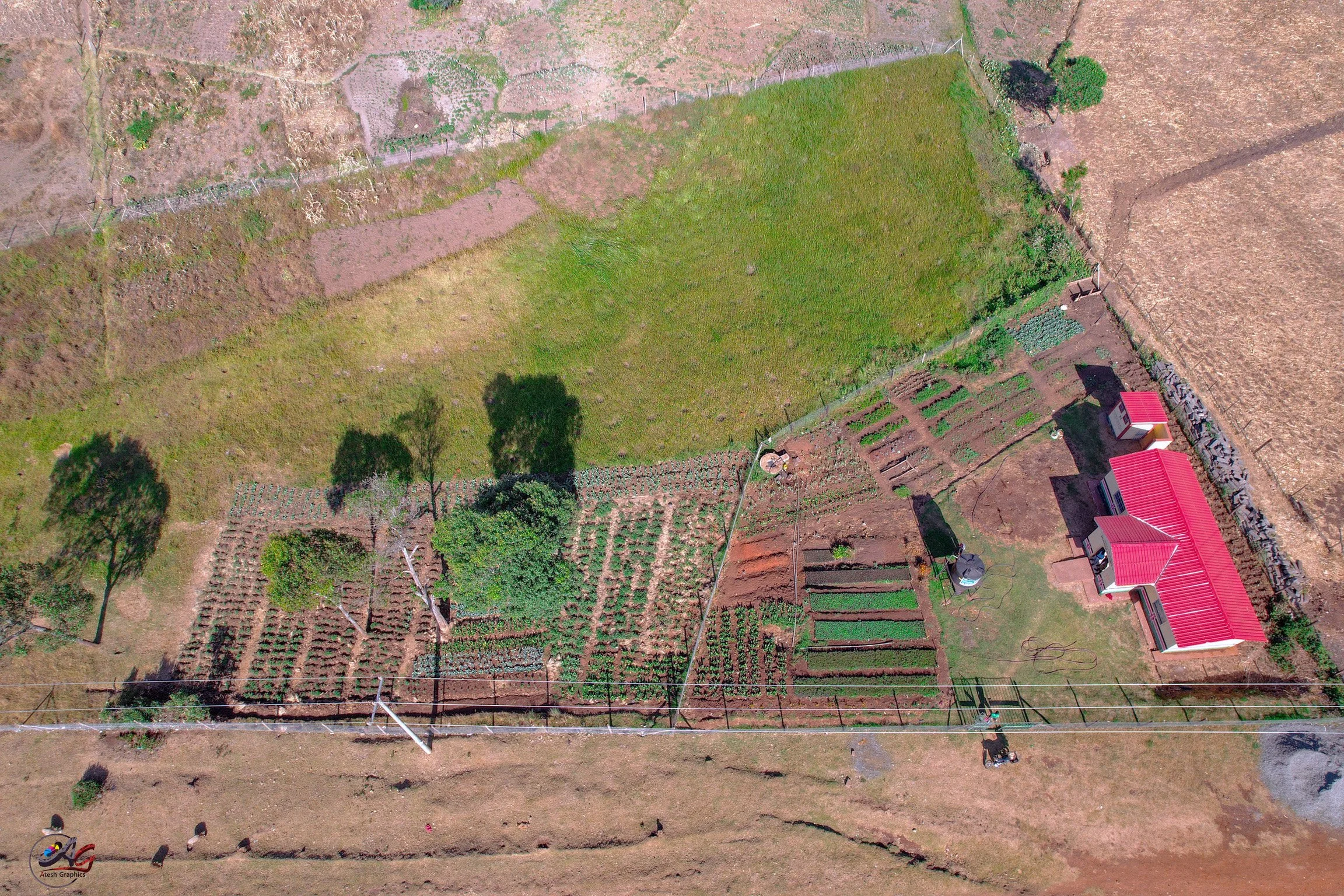
While meals are being provided, we help the school set up an on-site farm where food is grown for the kitchen. Parents receive hands-on training from our team, with a focus on conservation agriculture, simple business skills, planning, budgeting and basic record-keeping.
We also provide starter inputs for parent farmers, including quality seeds, helping to remove barriers at the beginning. As parents put new methods into practice and see results, confidence grows.
From the start, Feeding Futures introduces clear and transparent systems for the school meals programme. Over time, responsibility for managing meals is handed over to the school and parents.
By the end of the programme, parents are able to feed their own children at school. Farming is more reliable and profitable. Knowledge is shared across the community. The cycle of food insecurity begins to break, and hope replaces dependence.
Our Programmes
Each Feeding Futures school partnership has helped shape the model we use today. From our first pilot at St Brendan’s to our newest programme at Osembo, every community has taught us something important about school meals, agriculture, sustainability and local ownership.
St Brendan’s
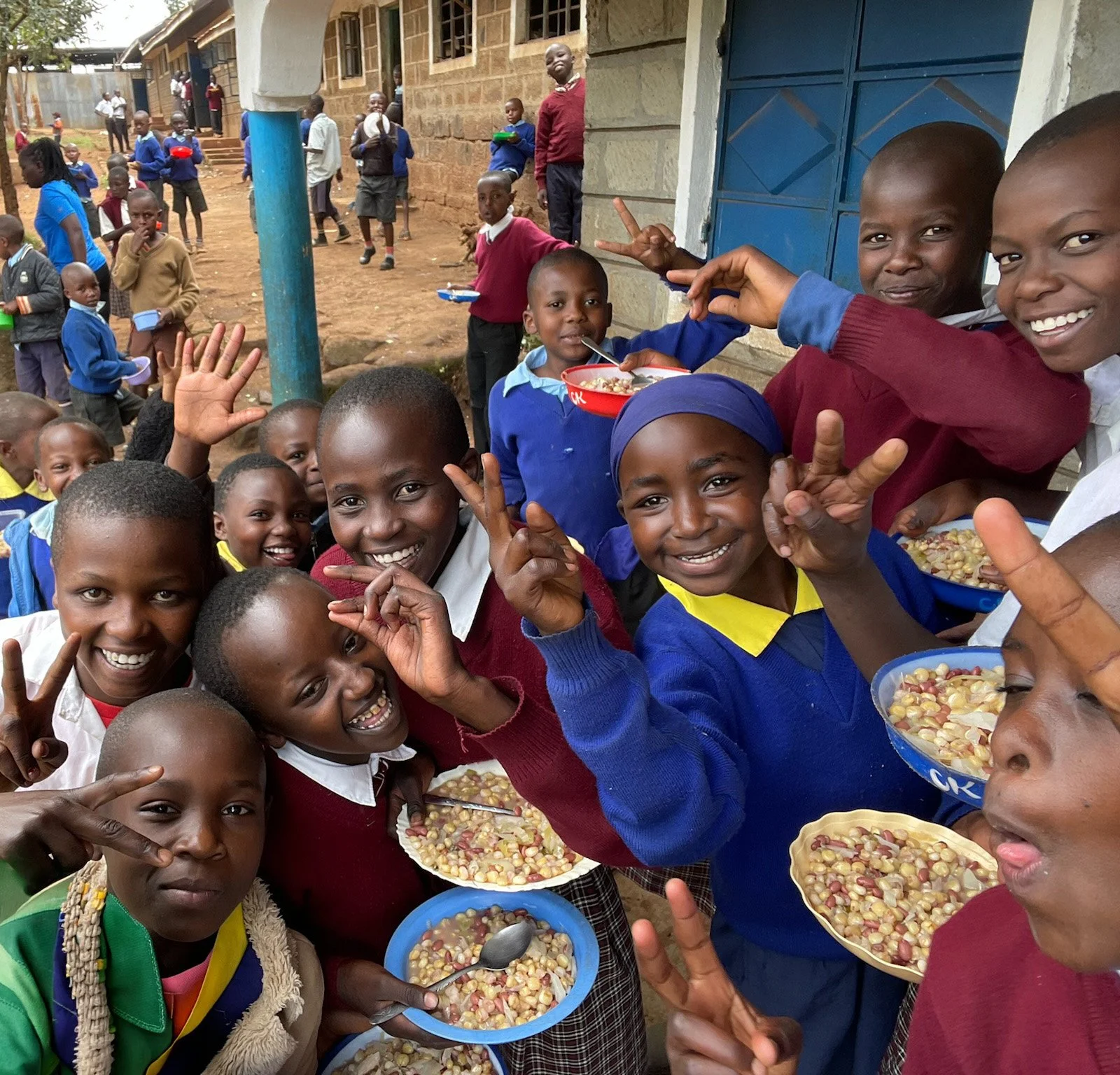
St. Brendan’s was our pilot program, and helped us to evolve into the charity we are today. Our Kenyan CEO, Peterson Githinji, was headteacher here when Feeding Futures was founded, and it was an obvious starting point for our work. We began by feeding the 700 children learning there, first two and then five days a week, but in 2013 OUR AIMS SHIFTED. While we were still providing school meals, our new focus was on ensuring sustainability and supporting parents to become independent and feed their own children. Having asked the community what they needed in order not to need us anymore, they responded that they needed to get more out of their land. We eventually found a conservation agriculture programme from Zimbabwe (Foundations for Farming) and began training parents.
Mukinyai
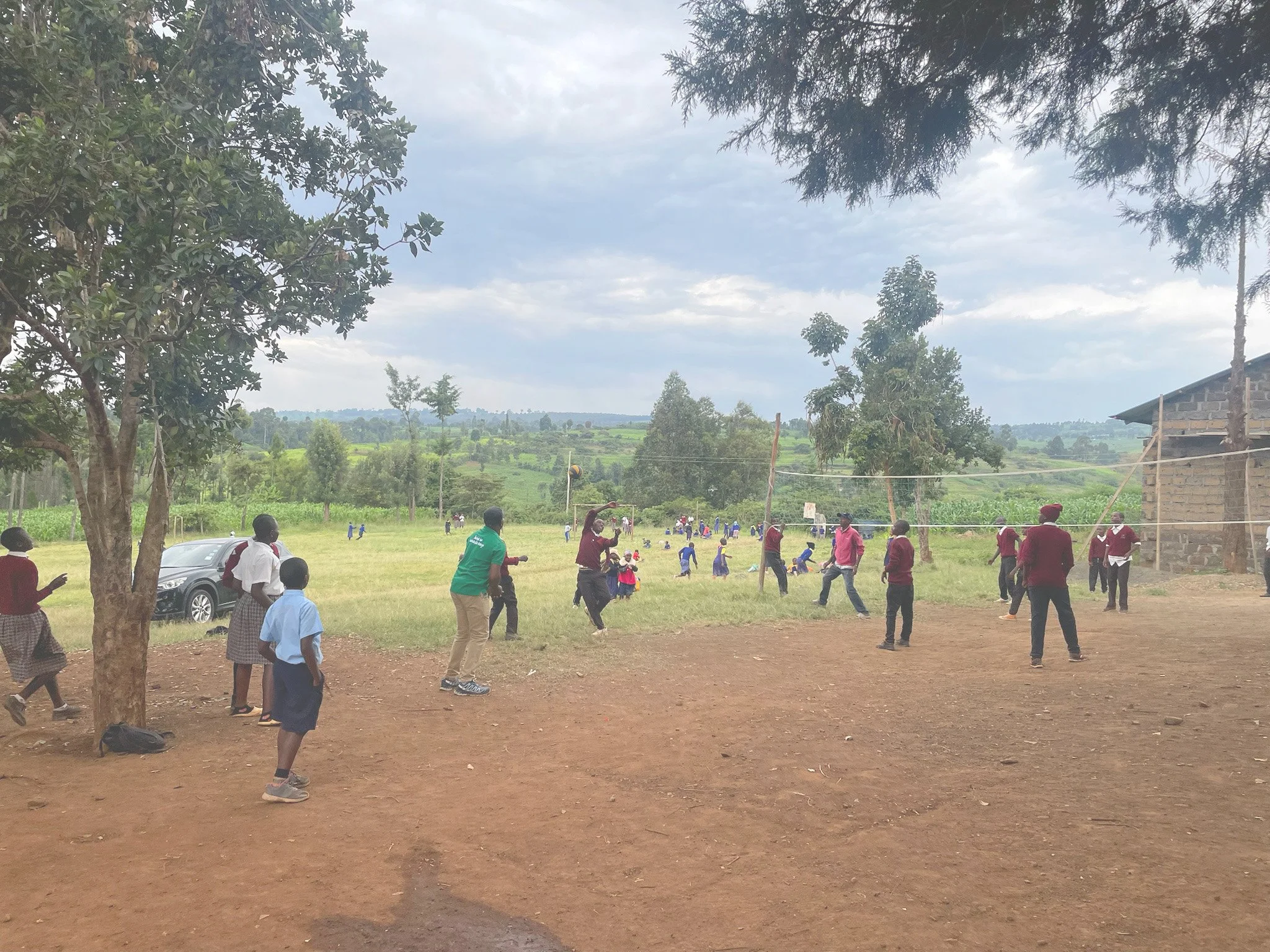
Mukinyai was our second school partner. Having learned many lessons from St Brendan’s, we took a different approach. Right from the start, we formed a partnership with the school community. We explained our exit plans and timetable and agreed our role while the community agreed theirs. There were many challenges, leading to extensive learning points for future projects. After the planned four years, Mukinyai Primary School Community fully took over the meals and they have continued ever since, without external support. When we visit as friends now, they are always keen to show us their school farm, full stores, happy children eating, with good attendance and attainment. Mukinyai has shown that the model can work!Sidai
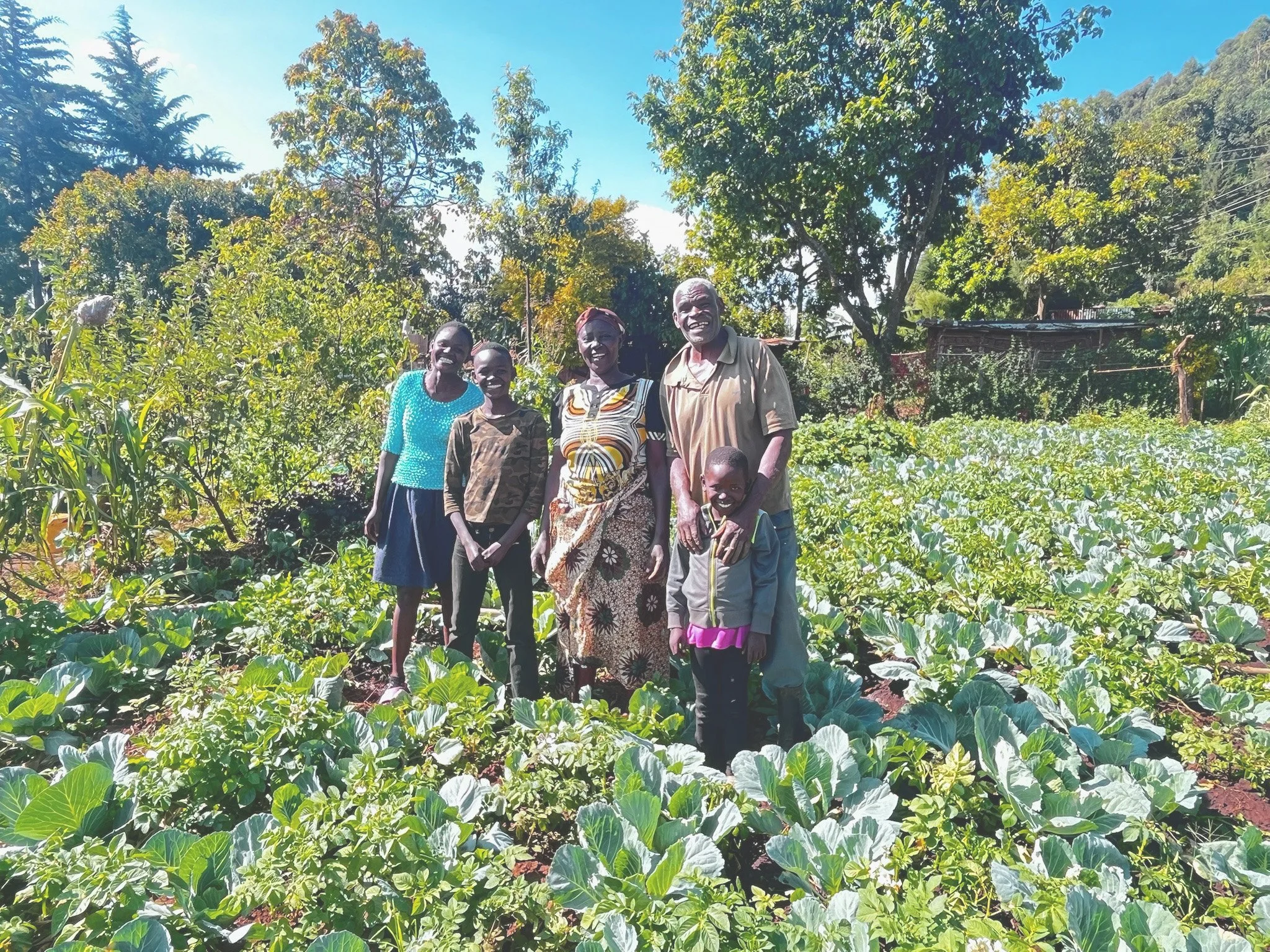
Sidai was our third school partner, with the partnership in its final year in 2026. We experimented with how to mitigate some of the challenges we had previously encountered, some things worked well and yet there were different challenges. This is very natural for community projects. We now have a team of very experienced and highly-praised community agronomists who work with schools and individual farmers. One of the groups formed for our training at Sidai has, with our support, become entrepreneurial and officially registered as an organisation. It is doing so well that it is attracting county government attention for its agricultural products - including organic fertiliser and even yoghurt!Osembo
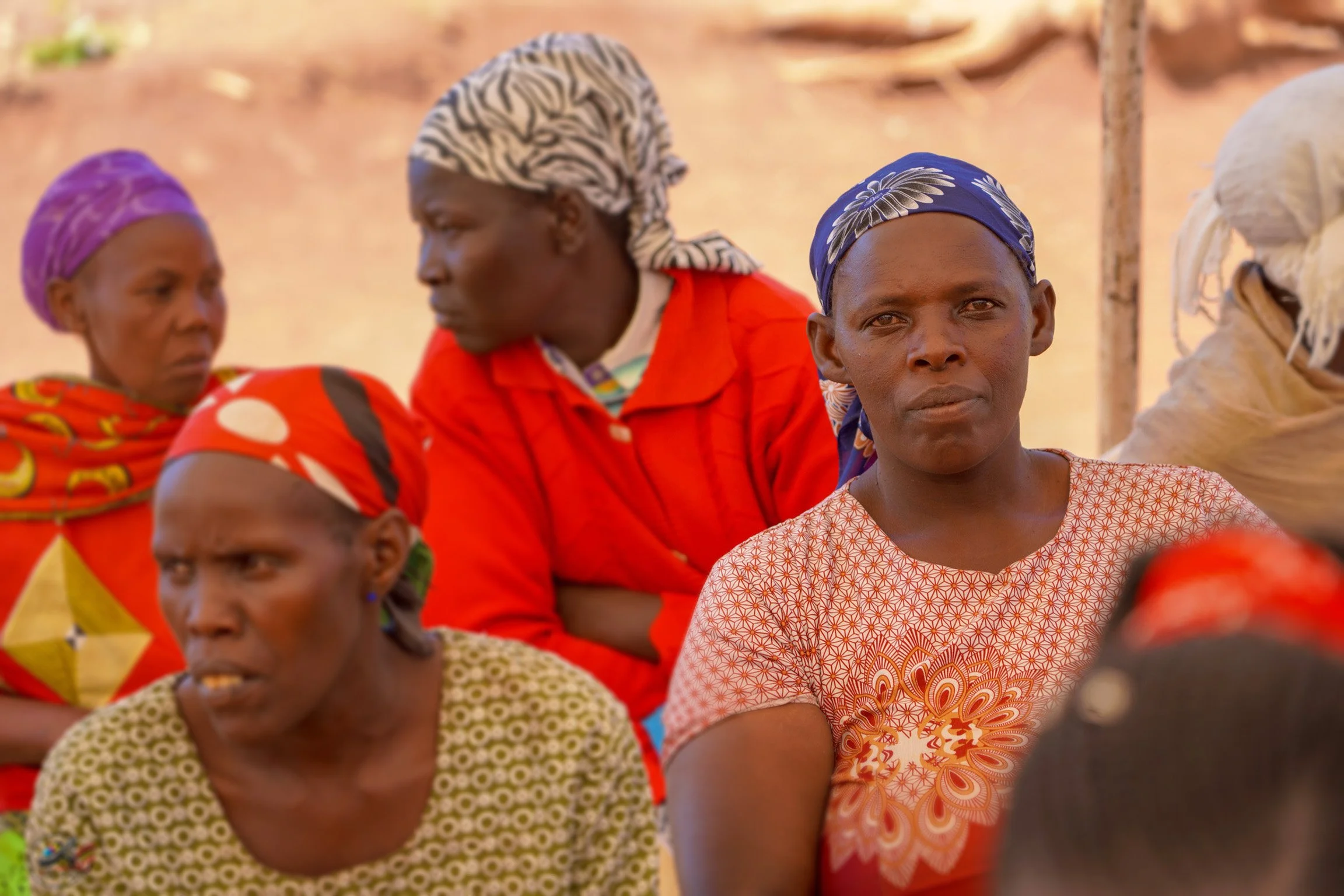
Osembo is less rural so has different challenges from our previous schools. It is also much bigger - 1100 children rising to close to 1200 within six months of our project starting. The kitchen was opened in January 2026 by Nakuru Governor Susan Kahika and the event was attended by around 3000 people! Already the school farm is thriving and the kitchen is functioning well and beautifully managed by our four cooks. We are excited to see how the project develops but are encouraged by early signs of sustainability.Our Future
Over the next five to ten years, Feeding Futures aims to help transform how school meals are delivered across Kenya, and ultimately Africa, shifting from dependency on external funding to locally led, sustainable systems that nourish children and strengthen communities.
Our vision is a future where schools are hubs of food security, learning and resilience. Through community ownership, practical training and locally appropriate farming, schools and parents can grow much of the food they need, generate income to cover what they cannot, and ensure that every child is able to learn without hunger holding them back.
We see Feeding Futures evolving from a hands-on implementer to a catalyst for wider impact. Alongside carefully chosen direct programmes, we will increasingly work through partnerships, training and resource sharing, enabling other organisations, governments and communities to adopt and adapt our proven model in their own contexts.
Central to this is developing clear, simple systems that combine practical skills with an ethos of accountability, transparency and collaboration.
In the next few years, we hope to establish a physical Feeding Futures Hub where we can demonstrate elements of our practice, including farming, equipment, kitchen design and value addition, and train others how to implement the model.
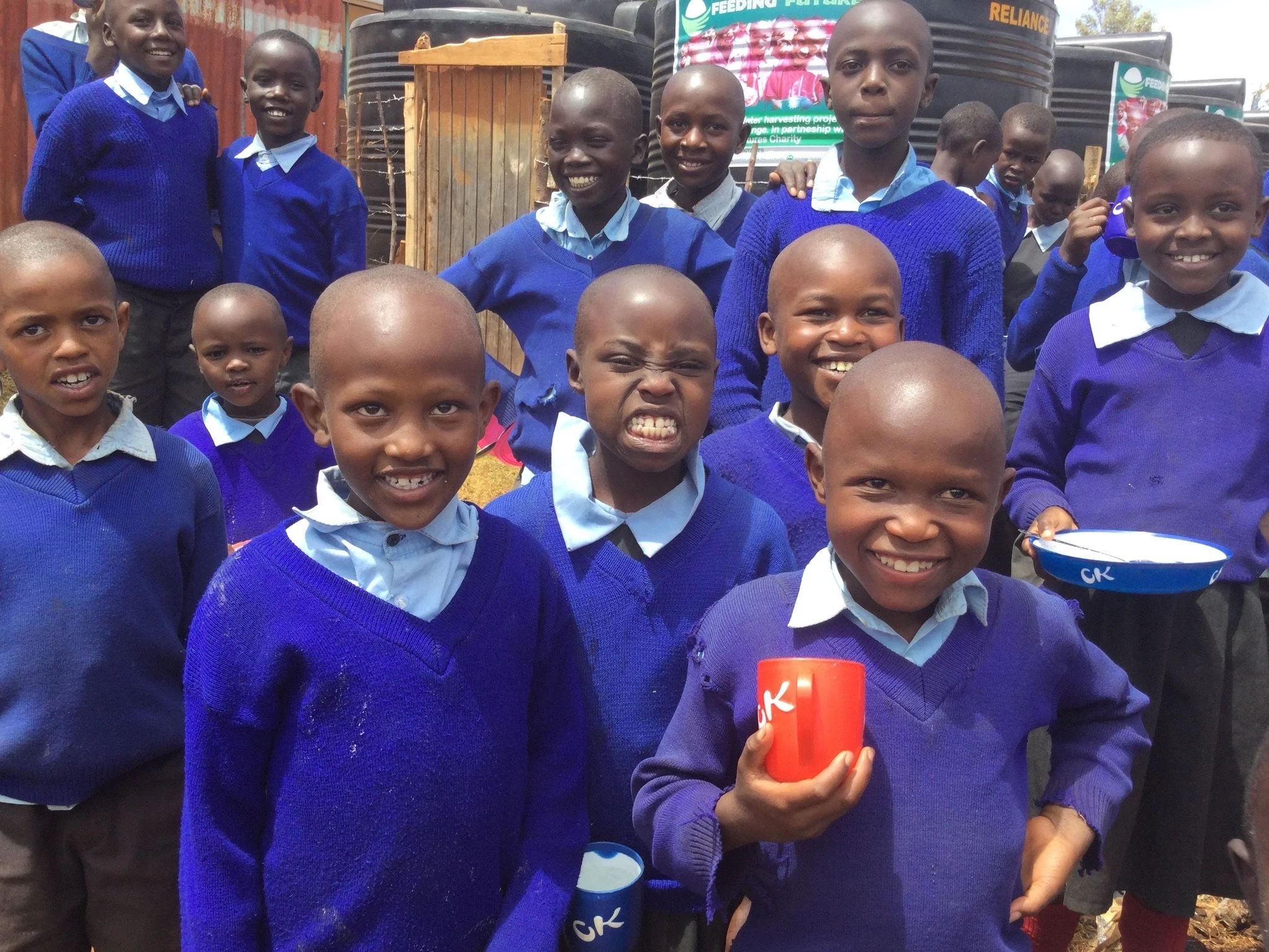
Help more children learn without hunger
Your support helps provide school meals today while equipping communities to sustain them for the future.