
Environmental Impact
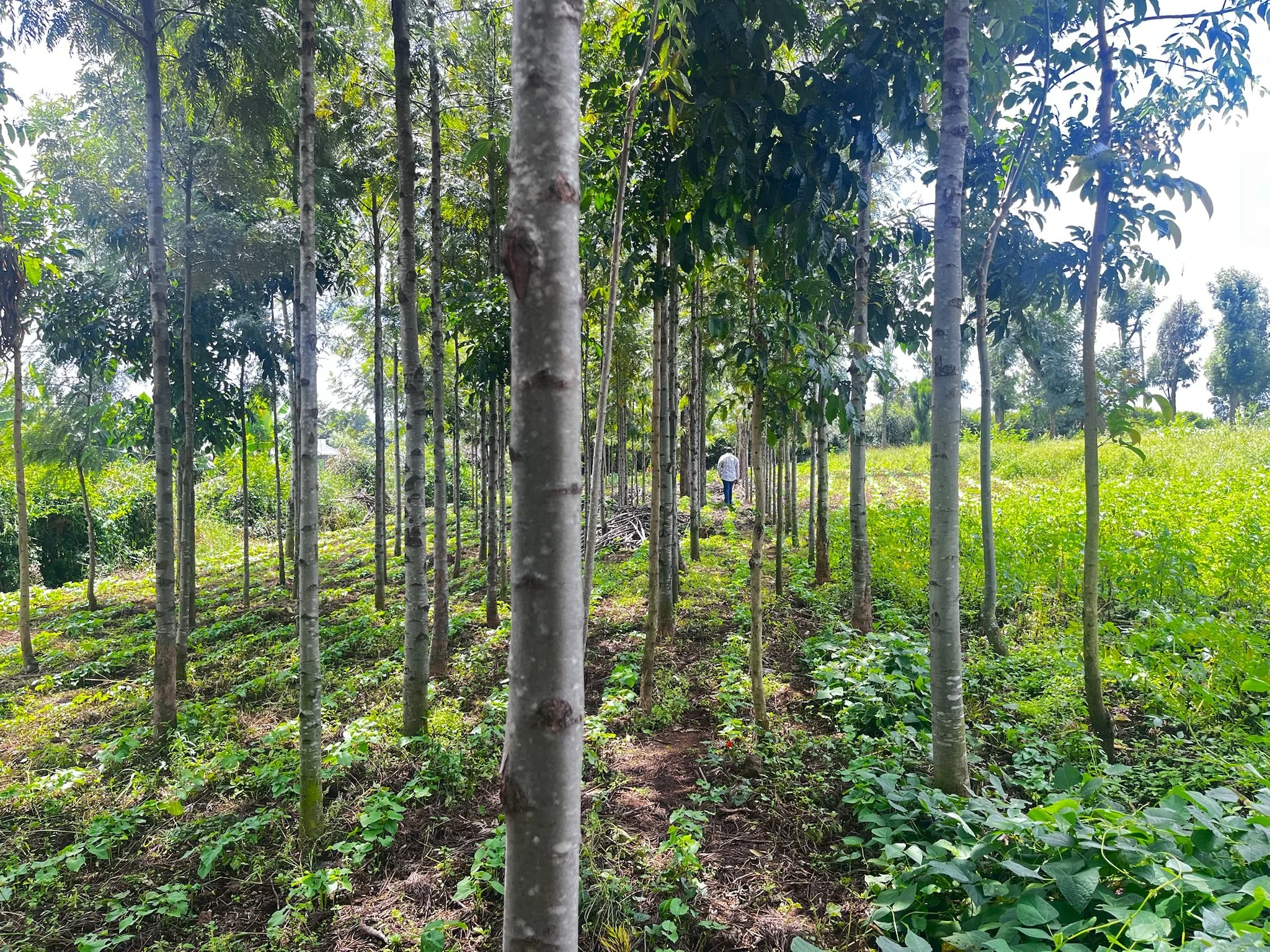
Our work goes beyond providing school meals. We partner with communities to strengthen the natural systems that make those meals sustainable - protecting water, improving soil, and growing trees that will support future generations.
Everything we do is designed to be locally led, practical, and lasting.
WaSH - (Water, Sanitation and Hygiene)
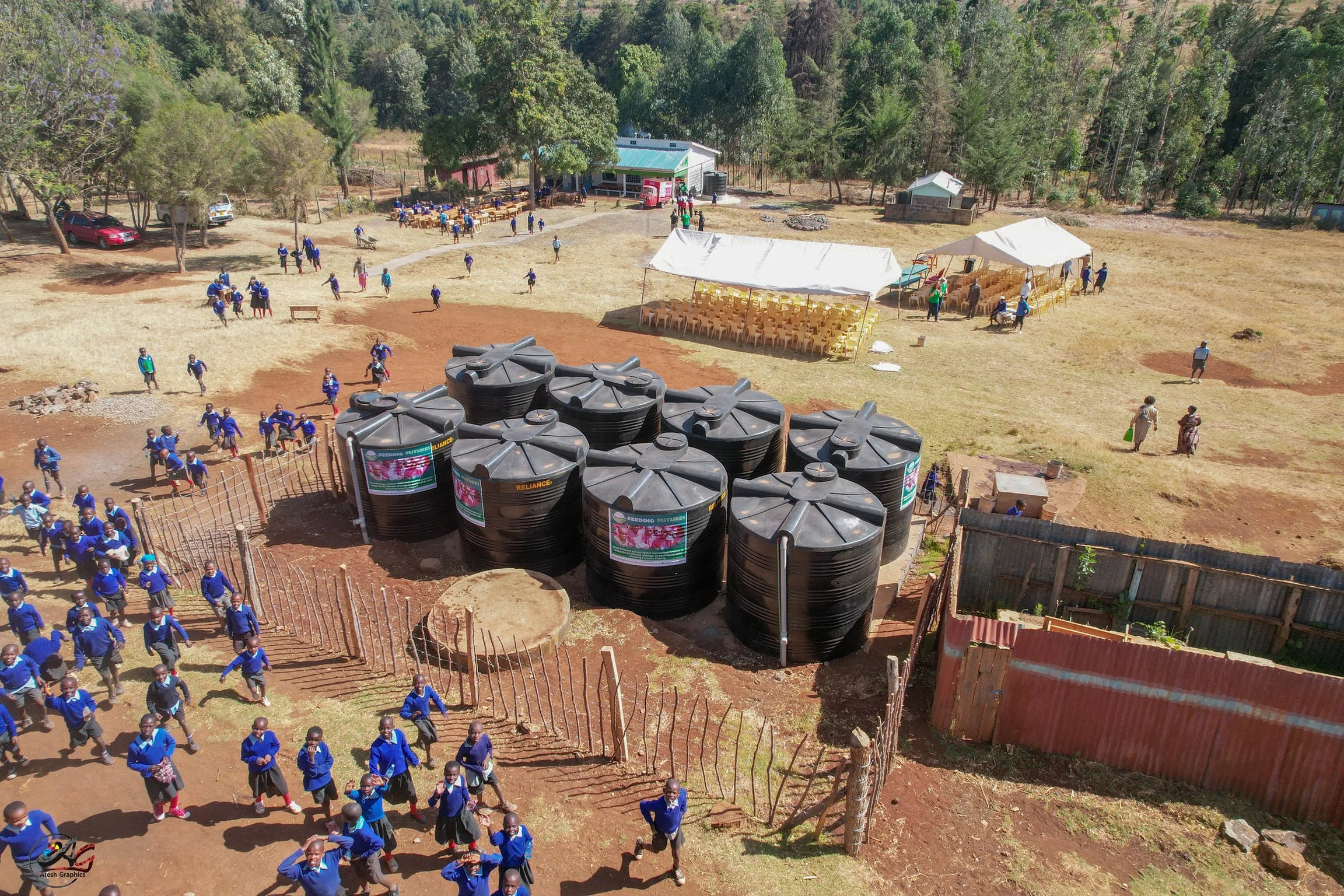
Reliable access to water is essential for both school meals and healthy communities.
We provide water harvesting infrastructure for the schools we work with, which enables them to collect and store water during rainy seasons for use throughout the year. The water is used for cooking, cleaning and hand-washing. Alongside this, we promote good hygiene practices in schools, helping to create a healthier environment where children can learn and thrive.
Conservation Agriculture
Healthy soil is the foundation of self-sustaining school meals.
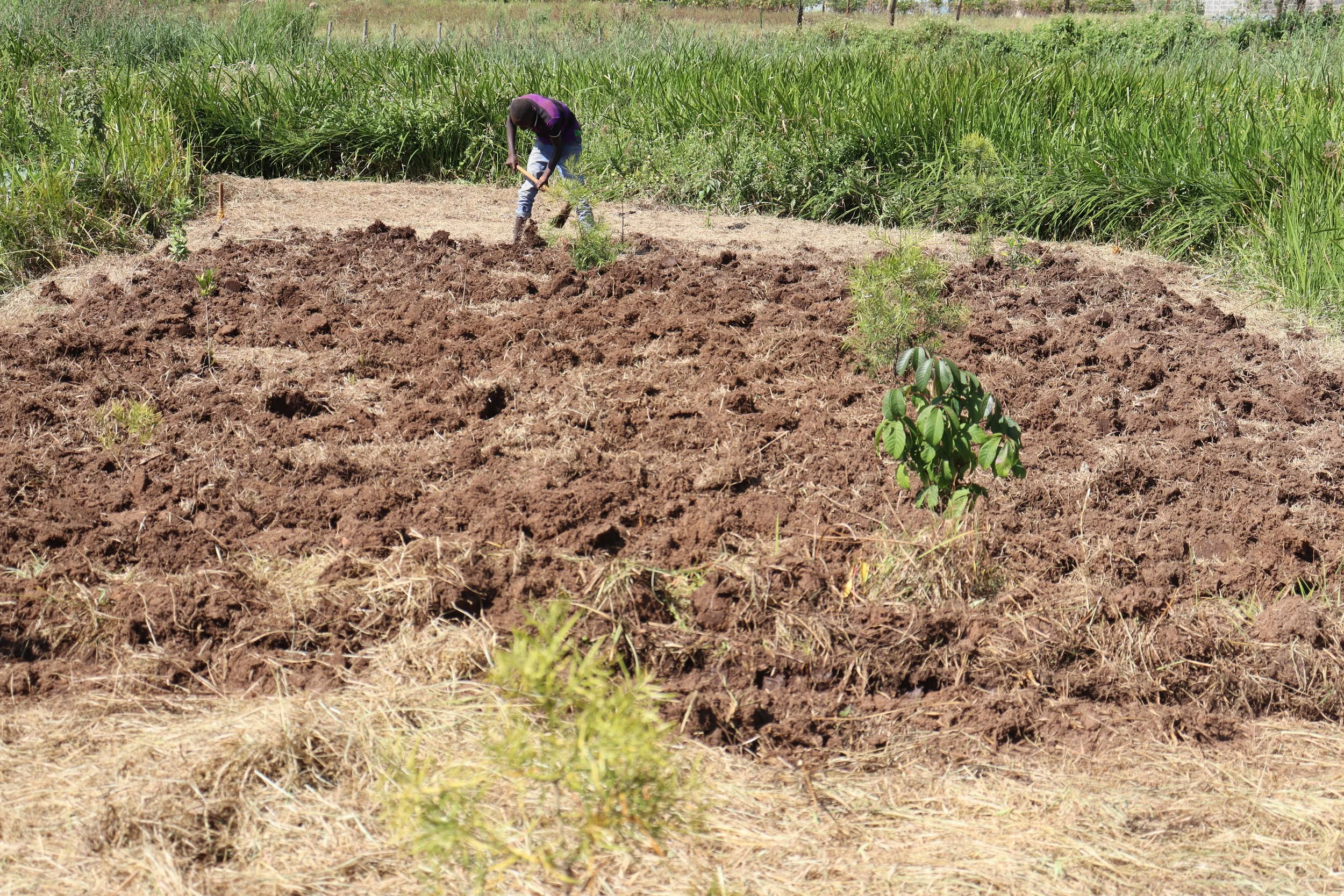
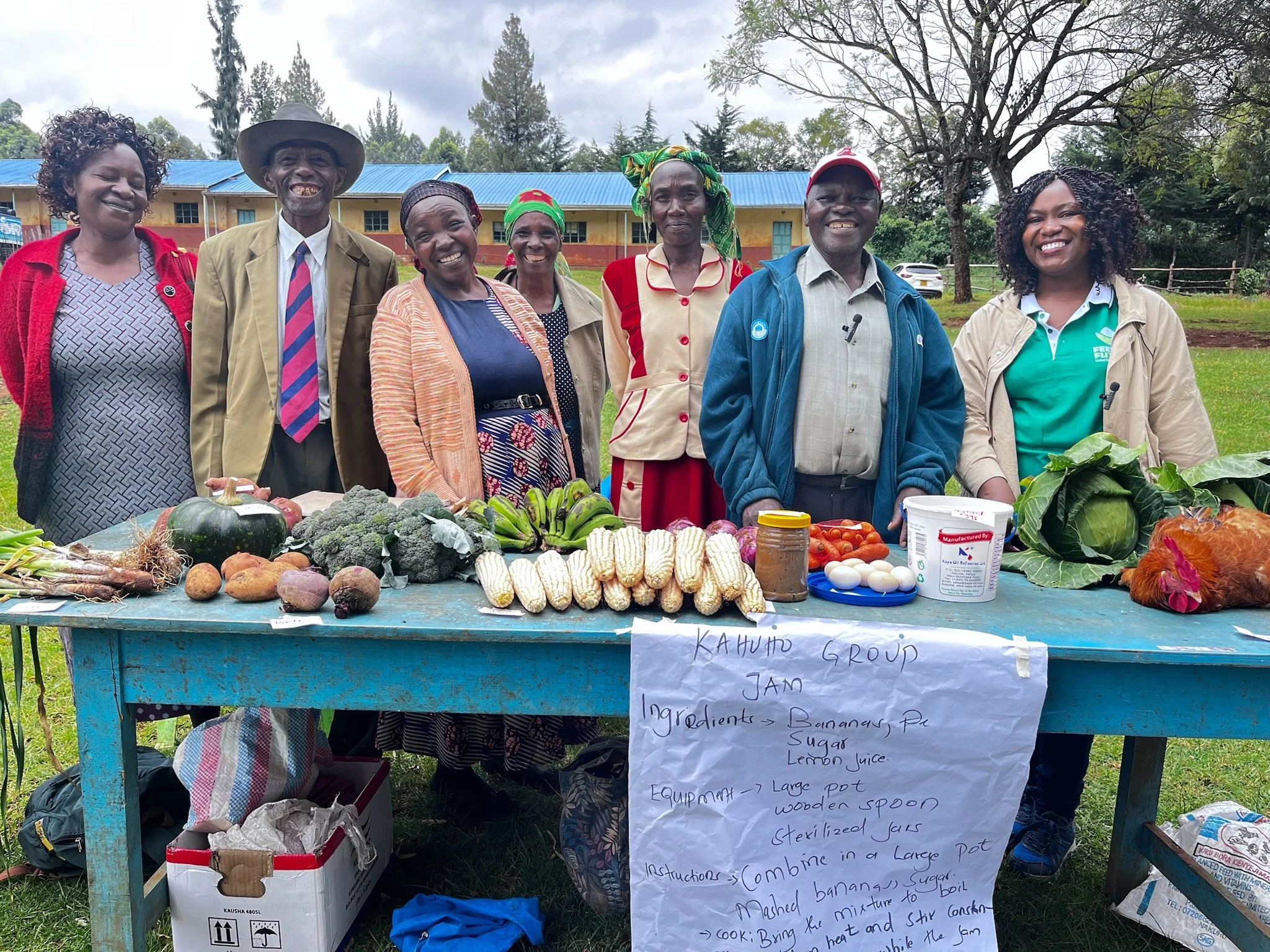
We work with communities to introduce conservation agriculture techniques that improve yields while protecting the land. These approaches are practical and low-cost, making them well suited to local conditions and long-term adoption.
This includes:
Minimal soil disturbance
Mulching for water retention and soil feeding
Crop rotation and diversification
Organic composting and natural soil enrichment
These methods help ensure that school farms and farmers’ land can continue to produce food year after year, without degrading the land.
Why it matters:
Increases reliable food production for school meals and communities
Builds resilience to climate variability
Reduces dependence on external inputs
Enables communities to sustain programmes independently and reduce poverty through increased crops at home
Tree Planting & Community Nursery
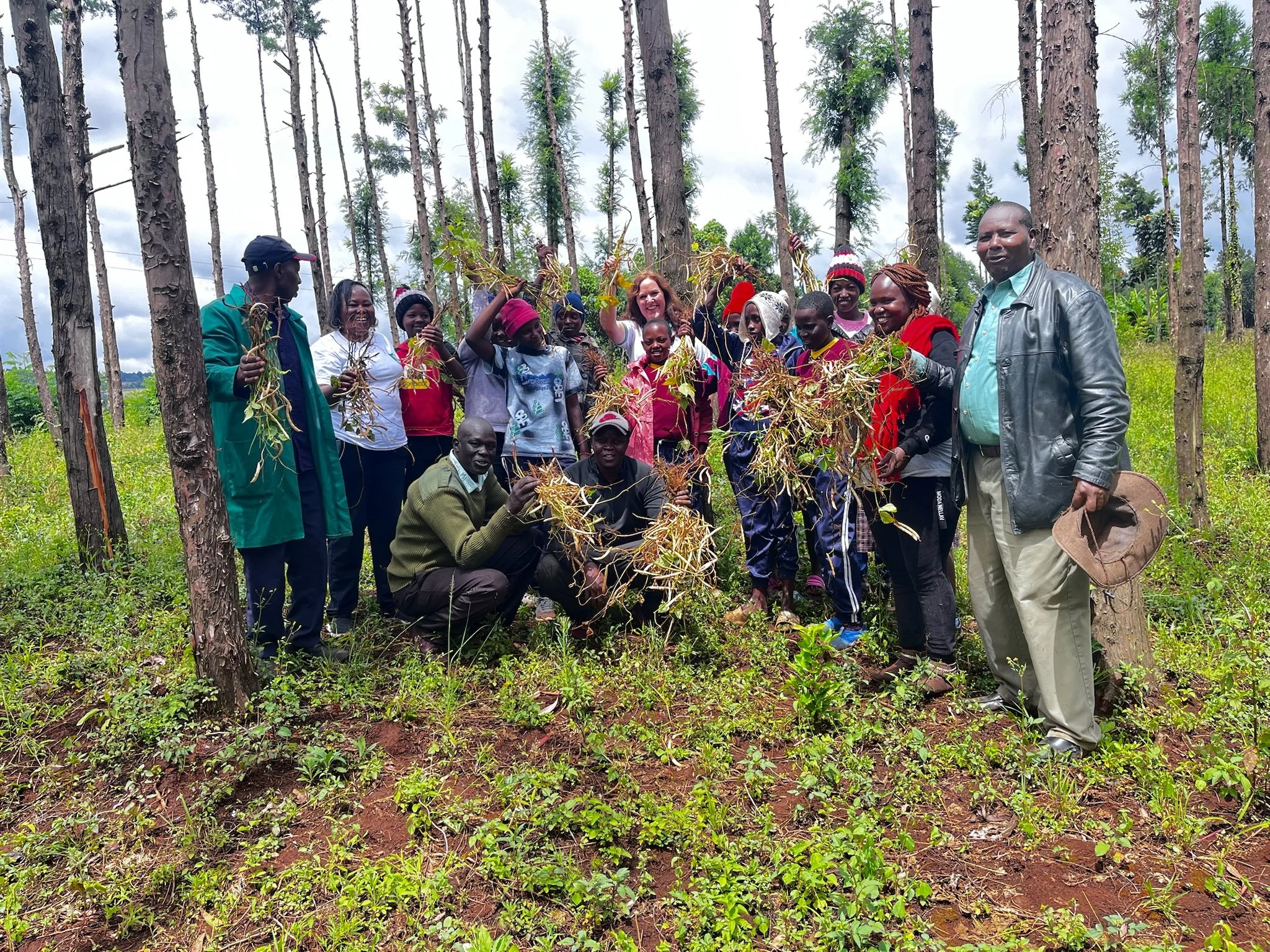
Tree planting is a key part of how communities strengthen their environment, and their livelihoods.
We have supported the establishment of a community-run tree nursery, now operating as a social enterprise. This nursery provides seedlings for schools and the wider community, creating both environmental and economic benefits.
We have developed the ‘Adopt a Tree’ scheme where children in our partner schools are given two tree saplings to care for. One is planted in school and the other at home. Children know which tree is theirs and they care for it as it grows.
Why it matters:
Improves soil health and prevents erosion
Helps micro-climate conditions
Provides shade and improves school environments
Supports biodiversity
Creates local income through the sale of seedlings and fruits
Builds long-term environmental stewardship
A Joined-Up Approach
These environmental activities are not separate projects. They are part of a joined-up model designed to help communities sustain school meals independently.
Water supports crops. Healthy soil increases yields. Trees protect the land and provide future resources. Together, they strengthen the whole system.
We work in partnership with communities to ensure that each element is locally owned, practical to maintain, and able to continue long after our direct support ends.
Looking Ahead
As we grow, we are continuing to refine and share this model so that more communities can adopt it - adapting it to their own context, resources, and priorities.
Because lasting change doesn’t come from isolated interventions. It comes from communities building systems that work - now and into the future.